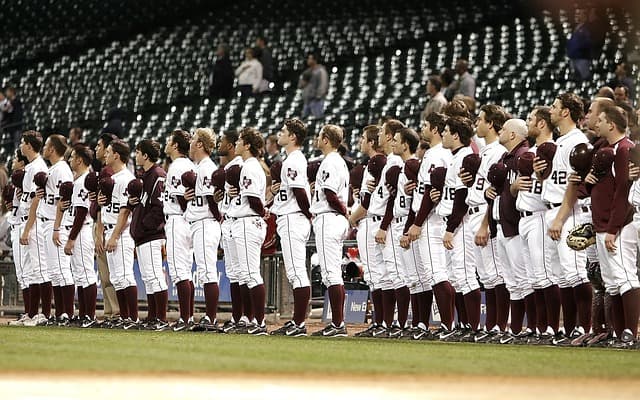
The power of music to bring strangers together at one time in the universal feeling is remarkable. Sound makes us invisible strings that connect us to our cultural backgrounds whether it is the thousands of fans in a stadium or the players in a gaming setting. This can be seen in the most open forms of patriotism, and in the smallest decisions we make in entertainment venues.
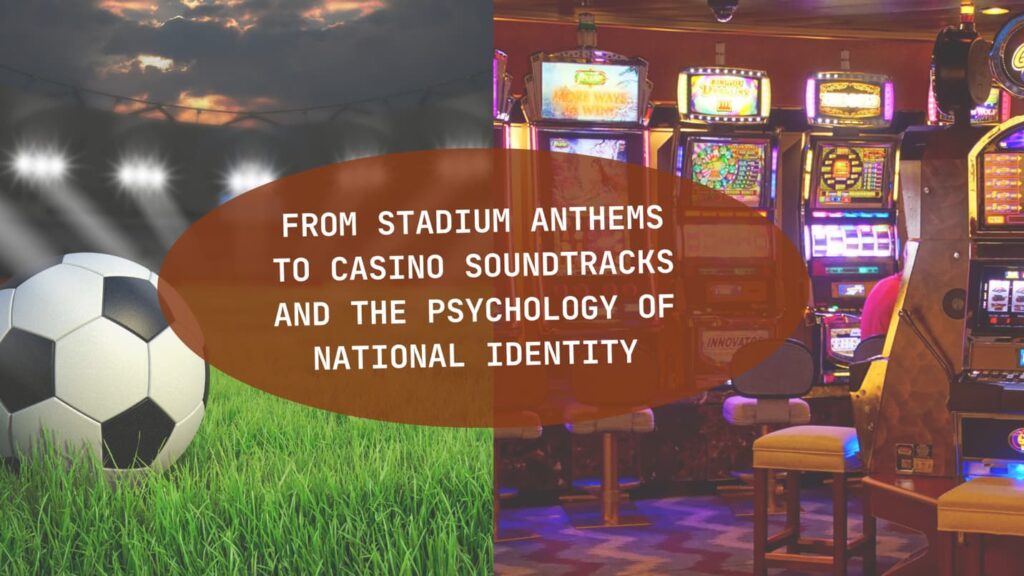
Music and identity will always go beyond the conventional location. This is a relationship that has been identified in Southeast Asia by the gaming industry. We are talking about Malaysia online casino platforms, like Alpha66 or Alpha66 casino and about Alpha66 login and registration portals, incorporating culturally resonant soundtracks into their gaming experiences.
This tendency represents a more general perception of the role of music in defining our belonging.
The Science Behind Stadium Anthems
This is something special that occurs in our brains when a national anthem is sung by 50,000 voices. It has been found that singing together releases oxytocin commonly referred to as the bonding hormone, which forms an immediate bond between strangers. Studies on group singing and oxytocin have demonstrated measurable neurochemical changes during collective vocal performances that facilitate social bonding.
This neurochemical response is the reason why stadium anthems are so potent it is literally altering our brain chemistry.
Teamwork magnifies the feelings of the individual manifold. Research has also discovered that individuals who sing with a group have less anxiety and feel safer. That is why, national anthems at sport events have a dual role to play, on the one hand, they praise the country, and on the other hand, get the audience ready to experience something together.
Key psychological effects of group singing include:
- Increased oxytocin levels promoting social bonding
- Synchronized heartbeats among participants
- Reduced cortisol (stress hormone) levels
- Enhanced sense of belonging and group identity
Music as a National Identity Marker
National anthems can be considered the sound flags, immediately identifiable images of national identity. The songs bear some historical undertones, reminding citizens of the common struggles, successes and ideals. Even the opening notes may cause deep emotional reactions in relation to childhood memories and cultural programming.
Diverse countries prefer different musical styles to use as anthems depending on cultural values. Some choose martial, triumphant music and others choose more reflective music. These decisions tell a lot about the perceptions of the nation and what it wants to be known as in the world.
The Casino Soundscape: More Than Background Noise
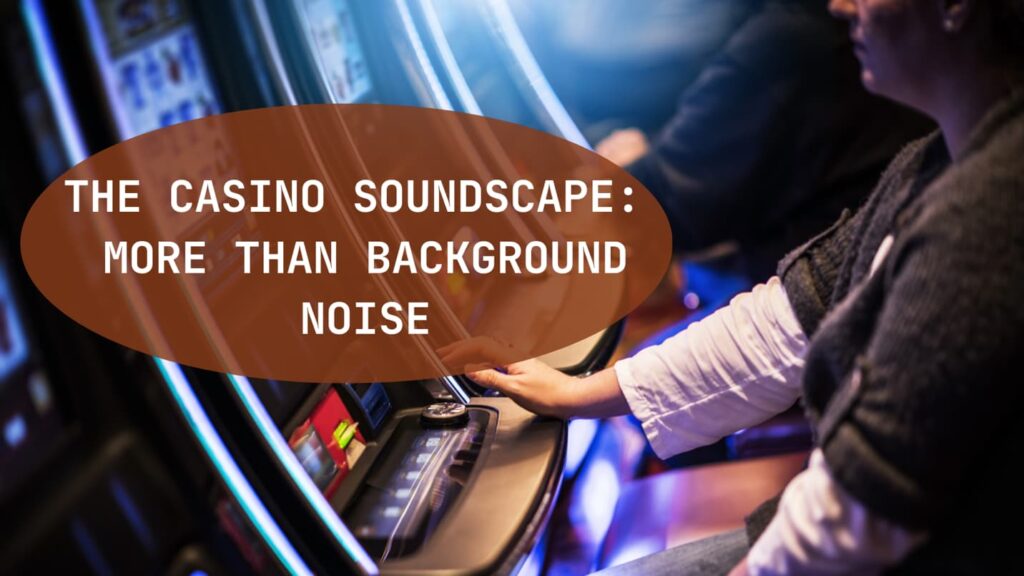
As a long time recognizing the psychological effect of their sound environment, gaming establishments have known about this long enough. The strategic application of music is what determines the duration of stay among players, their tendency to take chances and so forth. The tempo, volume and cultural relevance are all important in forming a sense of immersion.
With gaming being a competitive market in Asia, the user experience is not restricted to the gameplay, but all interactions. Platforms like 3star88 casino in the online casino space at 3star88casino.com (also 3star 88 casino) have streamlined their login and sign in functionality while incorporating culturally adapted soundscapes.
This two pronged concern of technical efficiency and cultural resonance is what differentiates the market giants and the generic substitutes.
Casino sound designers create playlists that are not too exciting or too comfortable. Peak hours are associated with fast-tempo music and a relaxed environment with a slower sound. It is always aimed to keep the person interested without making him or her tired.
Bridging National Pride and Entertainment Spaces
Contemporary entertainment places are using national and regional musical aspects more in their soundscapes. This is a strategy that recognizes that individuals would find home touchpoints in a leisure activity as well. The Macau casinos may include some elements of Cantopop, whereas the Malaysian casinos have a mixture of traditional instruments and modern rhythms.
This localization of culture is not only restricted to the background music. There are also venues where live shows of local artists or integration of traditional instruments are used in the sound design. The outcome is an atmosphere that is thrilling and relevant to local culture.
Ways entertainment venues incorporate cultural music:
- Regional artist collaborations and live performances
- Traditional instrument integration in modern compositions
- Culturally significant songs during special events
- Language-specific audio cues and announcements
- Festival-themed musical programming
The Neurological Connection Between Music and Memory
Music can be processed in our brains in several neural networks at a time and forms strong memory associations. The activation of our hippocampus (memory center) and amygdala (emotion center) takes place when we hear a song associated with national identity. It is this dual activation that results in the fact that the national anthems can make us cry many decades after listening to them the first time.
These neural pathways are reinforced through repetition and as a result, some songs can no longer be linked to our identity. Those children who sing the national anthem at school every week form life-long associations of that song with their culture. This conditioning is so strong that it can be said that hearing the anthem during old age can help one to relive the memories of childhood.
The phenomenon is not limited to national anthems but to any other culturally important music. Even the regional folk songs, popular hits of childhood, and even commercial jingles can cause very strong nostalgia and identity reinforcement. Entertainment industries use this kind of understanding to make their surroundings to be personally meaningful to their audiences.
Factors that strengthen music-identity connections:
- Early exposure during formative years
- Repetition in meaningful contexts
- Association with significant life events
- Collective singing or listening experiences
- Emotional intensity during initial exposure
Conclusion
Whether it is the cheers of thousands of spectators in stadiums or the soundtrack of games down to the last detail, music is one of the most efficient means of humanity to establish and strengthen identity. The reason some songs bring us to tears is psychologically something about human nature and our desire to belong. We find the same principles applied, as the entertainment areas become more advanced in their utilization of culturally resonant sound, whether it be that someone is singing their national anthem or having a leisure night out.
The further evolution of entertainment is most likely to involve an even greater incorporation of individualized and culturally-specific soundscapes. With the development of the technology, venues can provide a personalized audio experience that changes according to personal needs and wishes without removing a shared cultural factor. The only thing that will always stay the same is the fact that music can help us to feel united, to our countries, to our cultures and to one another.